
Christmas With Walt Disney is a biographic documentary that explores how Walt Disney celebrated Christmas in his work, and offers a very personal glimpse into the Disney household during the festive season. From all the wonderful ways he embraced the holidays to his very favorite way of celebrating Christmas…at Disneyland!

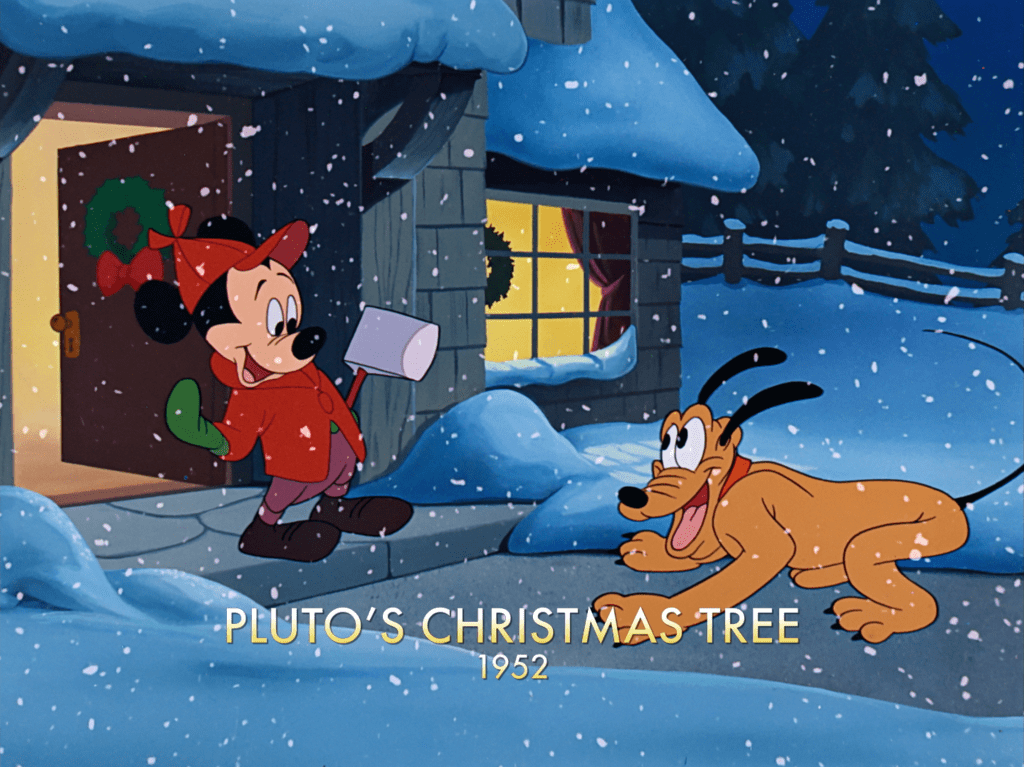
Narrated by Diane Disney Miller and directed by Don Hahn, the original Christmas With Walt Disney was a one hour Blu-Ray special that played at the Walt Disney Family Museum (WDFM), which opened in 2008 at the Presidio of San Francisco, to celebrate the life and legacy of one America’s greatest pioneers. After treating countless visitors to this intimate classic, it was decided in 2021 to remaster the movie for a wider audience, specifically for Disney+. In addition to the celebration of Christmas by the Disney family, the movie treats the audience to snippets of Christmas specials, from the pre color days of Mickey’s Good Deed (1932), to the delightful pictures and sound of The Night Before Christmas (1933), as well as classics such as Pluto’s Christmas Tree (1952), all masterly restored by Disney themselves.
Mastering a little known gem for a wider release meant overcoming a series of challenges, but also using the opportunity to ‘upgrade’ material with better versions since the original release of the movie. That honor was bestowed upon Pepper Tree Post, whose team worked tirelessly to deliver the best version the movie could be.
Breaking it down
Before any work could commence in earnest, the PTP team worked on a breakdown of the movie, separating all the shots and elements and identifying various potential sources for the material. Even though much of this film was made up of clips from previous Disney productions, it also became apparent early on that the studio did not always have the best sources for everything. Though many of the clips were Disney Original productions, many were produced/owned by WED Enterprises (later known as Walt Disney Imagineering), ABC, CBS, the BBC and others.
Ultimately, the goal was to locate material that existed at a better quality for all the different types of footage: original animation, the classic Disney movies, public broadcasts, sponsored commercials, as well as graphic elements used in a handful of transitions. Any material for which a better alternative did not exist would be restored in the best way possible. Most of Walt’s home movies fell into this category.
With the search for all the material well underway, a plan for the remaster began to surface: replace all standard definition material with the best variants that could be sourced, convert and restore all material which did not have better alternatives, rebuild any transitions for which higher resolution elements existed, create new lower thirds to overlay over the higher quality footage, and finally, online and grade all the material to bring it up to date.
Decisions, decisions…
The original Christmas With Walt Disney Blu-Ray played at 30 fps, though the reality was that most of the content in the movie was Standard Definition, uprezed to HD. Furthermore, the original frame rate of most of the source material was 24p, therefore a pulldown was added to bring everything up to 30 fps.
When Pepper Tree Post was entrusted with remastering the movie, an early decision had to be made: should the new version be faithful to the Blu-Ray frame rate, or was this an opportunity to remaster to 24? A lot of the material that would be replaced with higher resolution versions, such as excerpts from the animated sequences and classic Disney movies, all ran at the original film frame rate. In the end it made sense to switch to 24.
While this approach felt like the right thing to do, it did open up a can of worms and presented certain challenges. For one, the movie contained a lot of transitions, mostly dissolves, but also graphic elements that ‘wiped’ between scenes. If both sides of the transition had higher quality 24 fps material, that wasn’t a problem, but many times only the A side or B side had updated material, therefore clever techniques had to be employed in order to make those sections flow. There was even a split screen shot with an animating still, ‘Ken Burns’ style, on one side, and duplicated frames of action on the other side. A full on compositing approach was needed to make that work.
Furthermore, there were Walt’s personal home movies that were in need of care. Some of the earlier ones were shot on black and white 8 mm film, but the majority appeared to have come from his own personal Bell & Howell 16 mm camera, which coincidentally makes an appearance in another movie PTP worked on, Adventure Thru The Walt Disney. Due to the lower-than-24, variable frame rates, the material would need to be treated by hand.
Frame rate conundrums
Christmas With Walt Disney had originally been edited at 30 fps, with all sources – whether they were film, animation or broadcasts – treated individually with 3:2 pulldown. This meant that there wasn’t a consistent pulldown applied to the entire movie, but each shot had its own cadence, which made it impossible to remove with a single motion. While the 30 fps movie was retimed to the new time base of 24, this reference was merely created to act as a sync guide for the restoration process.
The first shots to be replaced were the Standard Definition animation sequences. Since the release of the movie back in 2009, the original film had been rescanned and restored by Disney, who kindly supplied PTP the new scans. With the material already at 24 fps, it proved to be more or less a one to one replacement of the Blu-Ray shots. This was as easy as it would get.
In contrast, the trickiest clips to bring back to a 24 timebase were Walt’s home movies. Every Blu-Ray shot went through an exploratory process to estimate the original frame rate. From there it was possible to extrapolate the cadence back to 24. This entire process was further complicated by not having access to the ‘source’ footage, or dailies. If such was the case, the processing could have been batch automated, like was the case with the Coca-Cola commercial at the head of the movie. Instead, the only available footage of Walt’s home movies were the edited shots in the movie, cut to cut, with the cadence changing on a shot by shot basis, necessitating a manual, frame-by-frame approach.
Peeling back the years
With all the frame rate issues out of the way, it was time to turn the attention to restoration. From a defect perspective the material ran the gamut; some footage required only a ‘dust & scratches’ pass to get rid of dirt and grime that had accumulated on the film over time. However, other shots had an abundance of blemishes that called for manual paint fixes, and things like gate weave, bad splices and film tears had to be dealt with using a full blown compositing suite.
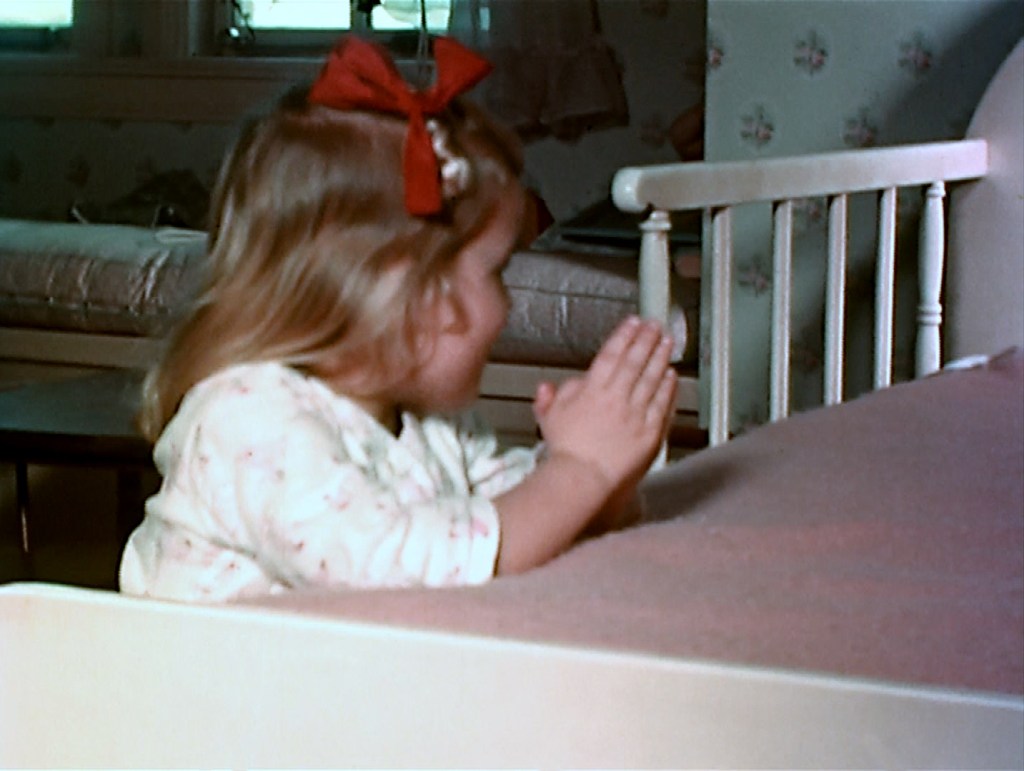
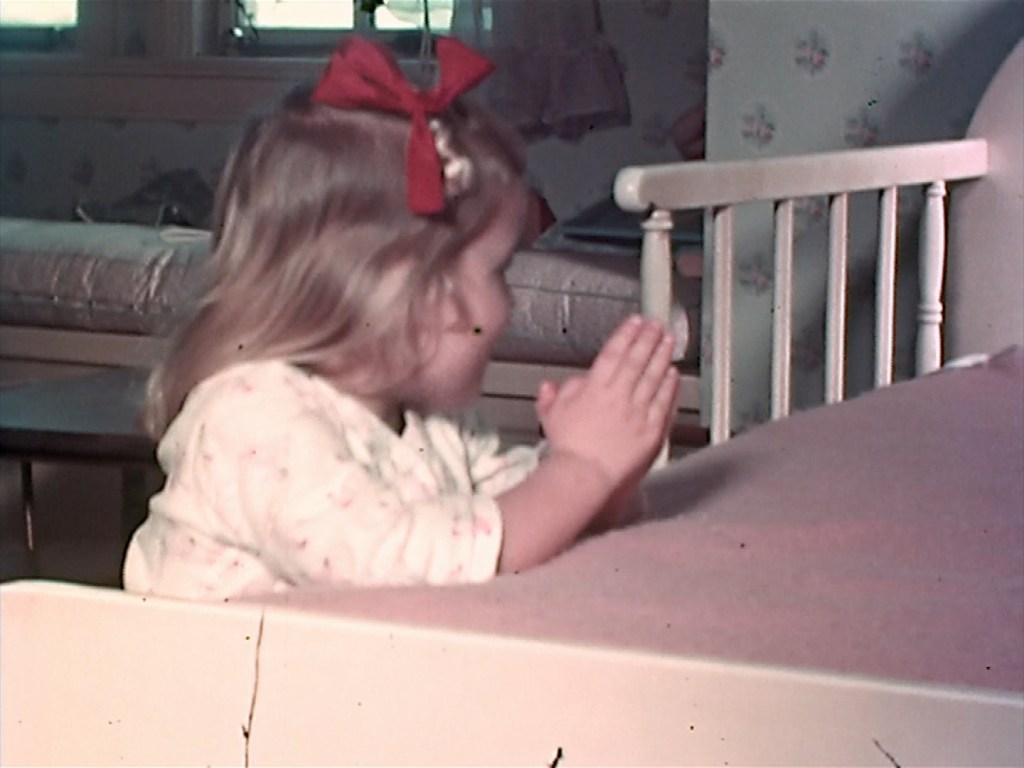
A combination of tools were used to achieve this, and the majority of the restoration was handled by Brian Bentley using HS-Art Diamant Film Restoration, which proved invaluable. “Diamant uses a layered approach to restoration. I’m able to set up a series of scripts and run them in the background as an automated task, but I can still review all the fixes and on a different layer ‘paint back’ anything that doesn’t look right to me. Each layer can contain a different tool (for different types of problems), and you can freely move between the fixes in a non-destructive way.” There are other certain features that work system-wide that make the tool so powerful: “things like luminance compensation, which adjusts the in-fill patches to match the luminance of the underlying material, is really powerful, especially since older film can have significant luminance flicker.”
Another tool which was also used as part of the restorative process was NeatVideo, but instead of being part of a dedicated process, it was actually used during the final color and finishing pass. Milton Adamou, who handled the grade and the finishing touches, has been using it for years; “NeatVideo is one of our most used tools since it can achieve so much in a single pass. We can use it to get rid of a smattering of dust particles on any material that hasn’t been processed, we can manage our grain with it, and it also has a sharpen feature that is ‘aware’ of any grain work that has already happened, giving sharper results which don’t exhibit any of the usual ringing/haloing other sharpening tools sometimes do”.
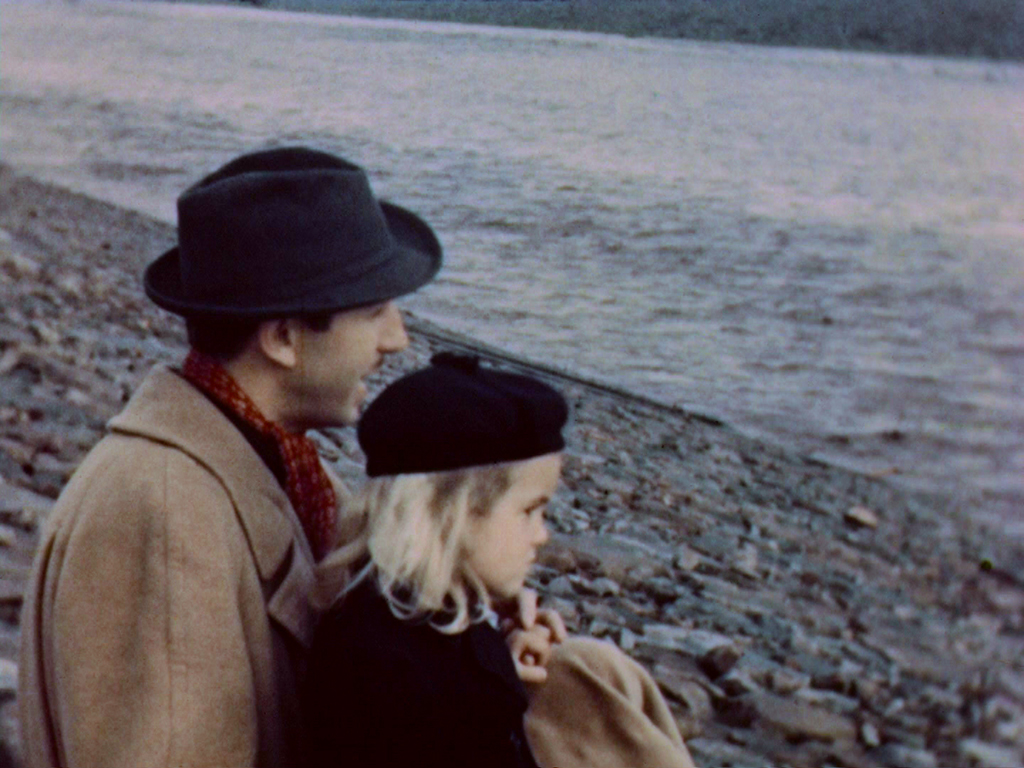
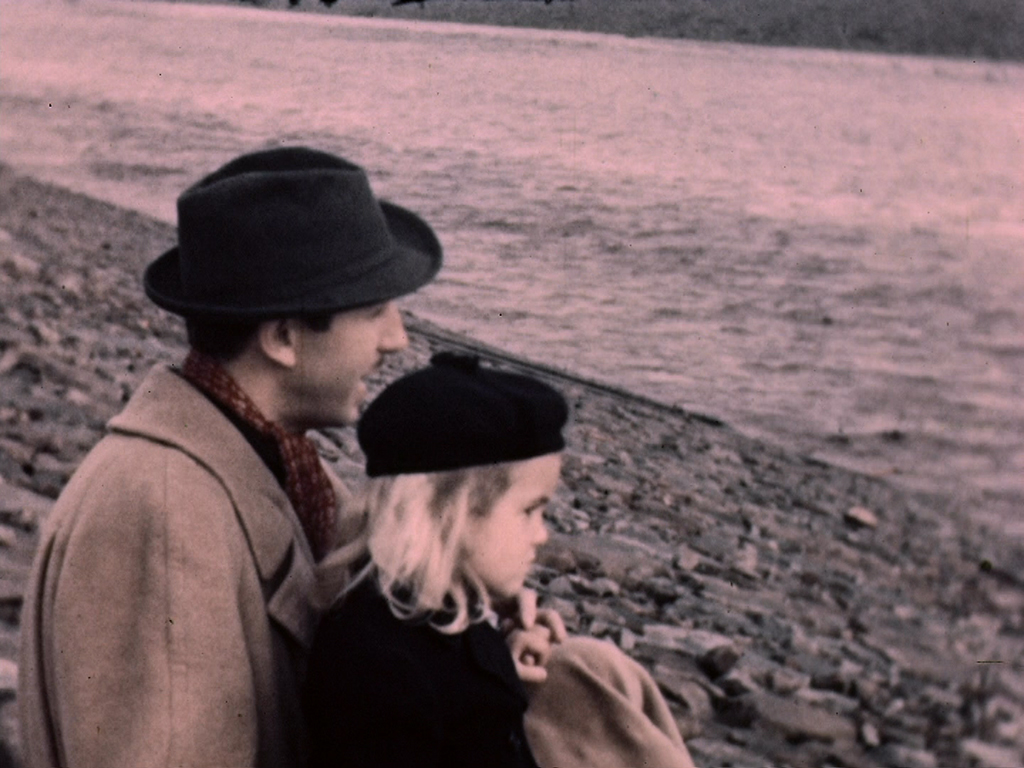
While the movie went through a complete color pass to bring it up to date, there was also a fair amount of restorative color that needed to happen. For example, there were shots where one or two of the emulsion layers had faded, resulting in almost monochrome images that required the careful manipulation of those color channels to restore the original color. Some other shots, particularly from early black and white 16mm footage, lacked dynamic range. These shots were manipulated using a number of techniques, including adjusting the exposure through certain ‘zones’ to reintroduce mid tone to the picture. Grain was also added to some of these shots to even out the transitions between the different stocks and exposure ranges.
Disney Stardust
Then there were the sections that required a bit of everything to get the best out of them: frame rate conversion, restoration, compositing and good old creative thinking. The transition into the opening titles from the Coca-Cola commercial, revealed with the tap of Tinkerbell’s wand, was one such example.
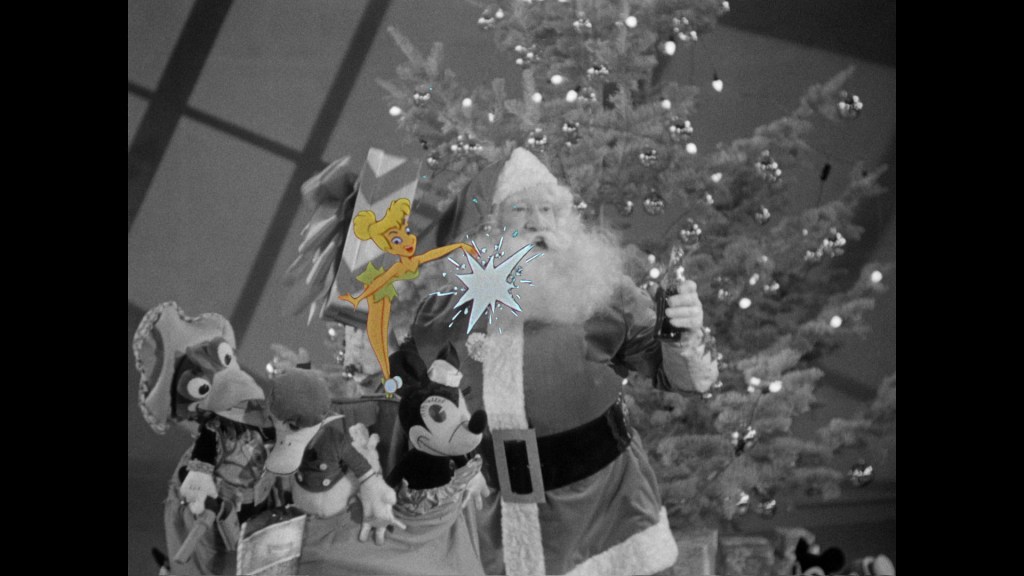

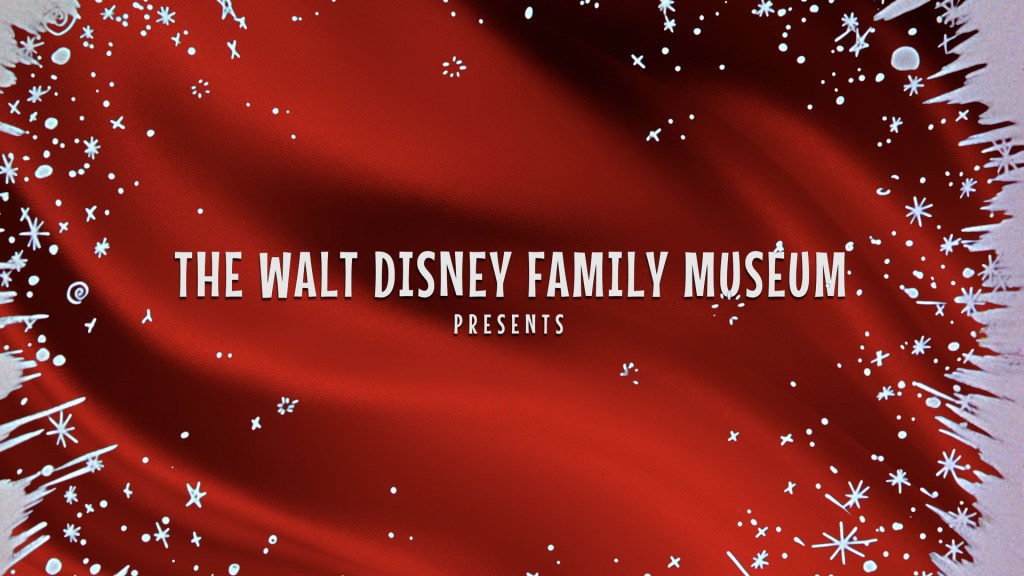
Initially the commercial was run through the restoration and frame rate conversion process to get a clean A side. On the B side, two new elements were supplied: a high definition animation of Tinkerbell with the stardust, as well as a new title card over a rich red satin background. Incidentally, both these new elements were supplied at 16/9. Using the retimed Blu-ray as our guide track, the commercial and the titles were edited together, and Tinkerbell’s animation overlaid, which originally was used as a wipe element between the two shots. Using both keying and meticulous rotoscoping, it was possible to retain the fine line art on Tinkerbell and the stardust and in turn create a fluid, seamless transition between the underlying 4/3 Coca-Cola commercial and the glitzy new Title. A tricky shot for sure, but the end result speaks for itself.
Acknowledgements
From a content perspective, the movie you’ll see on Disney+ is almost identical to the movie that’s been delighting museum visitors since 2009, with subtle changes. In addition to all the restored and higher resolution clips, the remaster contains some updated stills, minimal editorial changes and of course a whole round of new credits to reflect the incremental work that’s gone into this movie.
Remastering Christmas With Walt Disney was a true labour of love, and called upon the specialties of so many people – producers, artists, lawyers – to get to a position of being able to release a product for the wider audience on Disney+. The world Diane Disney is narrating in some ways feels like a bygone era, but not one that we can’t identify with. In fact, so many human aspects of Walt are things that thankfully still hold true today: family values, unbridled creativity, philanthropy and universal joy for the Holiday Season!
You can watch the full movie Christmas With Walt Disney on Disney+.
Client: Walt Disney Family Museum
Director: Don Hahn
Producer: Lori Korngiebel
Colorist: Milton Adamou
Restoration Artist: Brian Bentley
Special Thanks: Greg Emerson
All images are copyright of their respective owners.


What a heartwarming and insightful look into Walt Disney’s Christmas celebrations! The dedication and attention to detail in remastering the movie truly shines through. I’m curious, what aspect of the remastering process posed the biggest challenge for the team at Pepper Tree Post?
LikeLike
Hi there,
By far the hardest part was deciphering the frame rate of Walt’s ‘home movies’ through the lens of a conversion that had already happened, namely to 30 fps (for the original Blu-Ray). This was necessary in order to ultimately end up at the remastered frame rate, 24. A very tedious two step process was used: removing all the duplicated frames (from the progressive but sometimes field pulldown), then adding it back to get us up to 24. This could not be automated since these movies were shot at varying frame rates (eg 8, 12, 15 fps), therefore *every* shot was *manually* processed, in order to avoid injecting errors or ambiguity to an already challenging process. Hopefully, the results speak for themselves!
LikeLiked by 1 person
That sounds like a painstaking and painful effort. Thanks for your reply.
LikeLiked by 1 person